The ongoing contraction in physical production has forced a major ownership shift at one of the industry’s largest infrastructure suppliers. Private credit firms HPS Investment Partners and Oaktree Capital Management have officially taken control of MBS Group following a debt for equity swap after the company defaulted on its financial obligations. HPS is a unit of BlackRock.
While the default highlights the severe financial strain on businesses that physically power film and television sets, MBS leadership is framing the transition to its workforce as a much needed strategic reset.
An internal memo sent to the global MBS workforce and obtained by Stagerunner characterized the move as a positive development and a completed recapitalization. Sent on behalf of CEO Rick Nelson, the email told employees that ownership has transitioned to existing financial partners who are injecting significant new capital, reducing debt, and converting to equity in order to stabilize and invest in growth.
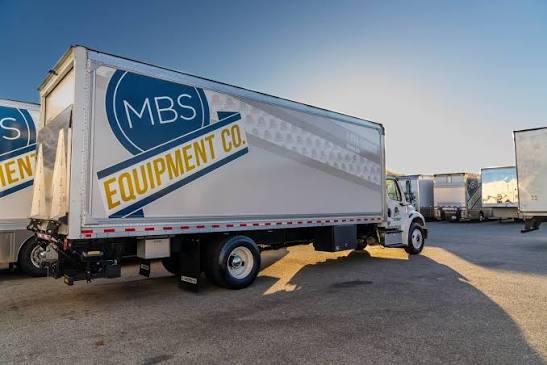
The creditor group is putting an additional $40 million into the company. For the massive MBS client base that relies on the supplier for lighting and infrastructure across more than 600 soundstages worldwide, management insists it will be business as usual. The memo assured clients and staff that account teams, studio operations, and equipment contacts will remain entirely unchanged.
The transaction marks the exit of previous owners Hackman Capital Partners and Affinius Capital. They acquired MBS from the Carlyle Group for $650 million back in 2019 during the peak TV land grab. Interestingly, MBS leadership used the internal memo to distance its ongoing viability from its former parent company. The email pointed out that despite Hackman ceding its ownership stake, more than 90 percent of MBS revenue comes from productions and facilities completely independent of Hackman Capital.
MBS is leaning heavily into its recent growth narrative to reassure the industry. The company highlighted its ongoing expansion across Canada, the UK, Europe, and the Middle East, along with new investments in proprietary LED technology through its MBSi innovation lab. Management noted that the new transaction unlocks their ability to keep expanding their capacity and markets.
Even with the optimistic corporate messaging, the takeover points to a harsh reality for the physical production sector. The prolonged Hollywood slowdown continues to squeeze the vendors and real estate ecosystems that depend on high production volumes. It also shows a growing trend where massive institutional lenders are stepping in to take ownership of essential physical assets as highly leveraged deals from the boom years begin to fracture.