Saudi Arabia’s expanding footprint in the global entertainment industry is coming into sharper focus, as billions in Gulf capital flow into some of Hollywood’s most consequential deals — underscoring a broader strategy that extends well beyond domestic growth.
In Riyadh, the transformation is already visible. Multiplexes that didn’t exist less than a decade ago are now packed late into the night, with audiences filling screenings well past midnight. The rapid rise of cinemas, festivals and large-scale cultural events reflects the Kingdom’s push to build a modern entertainment economy under its Vision 2030 initiative.
That same ambition is now being deployed globally.
At the center of the latest wave of investment is Paramount Skydance’s proposed $110 billion merger with Warner Bros. Discovery, a deal backed by roughly $24 billion in funding from Gulf sovereign wealth funds. Saudi Arabia’s Public Investment Fund is expected to contribute approximately $12 billion, with additional capital from Abu Dhabi and Qatar.
While structured as passive investments, the scale of the financing signals a growing alignment between Gulf capital and the U.S. media business at a time when traditional sources of funding have tightened.
Industry observers point to multiple motivations behind the strategy.
“There’s clearly an interest in expanding influence through media and entertainment,” says one analyst familiar with cross-border investment trends. “But it’s also about long-term positioning — owning or aligning with global intellectual property that can travel.”
Saudi Arabia’s recent moves mirror a broader regional pattern. Qatar and the United Arab Emirates have spent years building portfolios across sports, media and entertainment, acquiring assets that extend their reach into global markets. Saudi Arabia, while a later entrant, has accelerated quickly, investing across sectors including film, television, live entertainment and gaming.
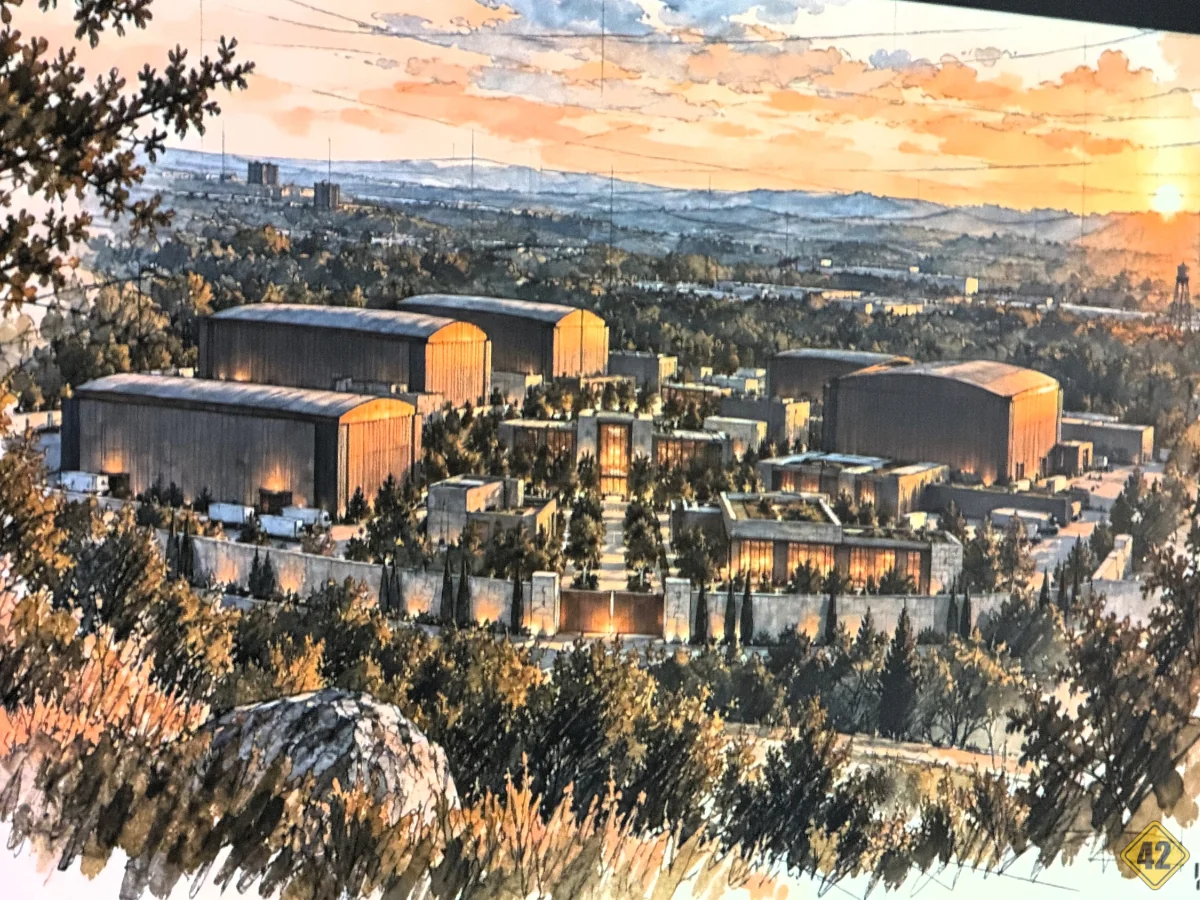
The scale of that expansion is already evident. The Kingdom has backed major cultural events, from international film festivals to large-scale concerts and comedy showcases, while continuing to develop local infrastructure, including new studio facilities in regions like AlUla and Qiddiya.
For Hollywood, the influx of capital arrives at a critical moment.
Production volumes remain below peak levels following the 2023 labor strikes, and studios continue to recalibrate spending in a more cost-conscious environment. Against that backdrop, the ability of sovereign funds to deploy significant capital has made them increasingly attractive partners.
“Access to large-scale financing is becoming more limited,” notes one industry executive. “When that kind of capital is available, it changes the conversation.”
Still, translating investment into a fully functioning production ecosystem remains an ongoing challenge. Despite billions committed, Saudi Arabia’s domestic production sector is still developing, with limitations in crew depth, infrastructure and workflow efficiency compared to more established markets.
Recent projects have highlighted those growing pains, with some productions facing budget overruns and logistical hurdles. Industry insiders note that while incentives — including a competitive 40 percent rebate — are appealing on paper, the practical realities of production in the region can offset those advantages.
“There’s progress, but it takes time to build a mature production environment,” says one producer who has worked in the region.
Even so, the long-term strategy appears clear: combine domestic audience growth with global investment in intellectual property and production assets.
More than 60 percent of Saudi Arabia’s population is under 35, a demographic that has grown up consuming Hollywood franchises, gaming content and global media brands. Securing access to that content — and increasingly, ownership stakes in it — is seen as a way to feed both domestic demand and international ambitions.
The result is a multi-layered approach: building local entertainment infrastructure, investing in global media companies and positioning the Kingdom as both a consumer and producer of content.
As Hollywood continues to navigate a period of consolidation and financial pressure, that strategy is likely to deepen.
The flow of capital, combined with a growing appetite for content and infrastructure, suggests Saudi Arabia’s role in the global entertainment landscape is only beginning to take shape.