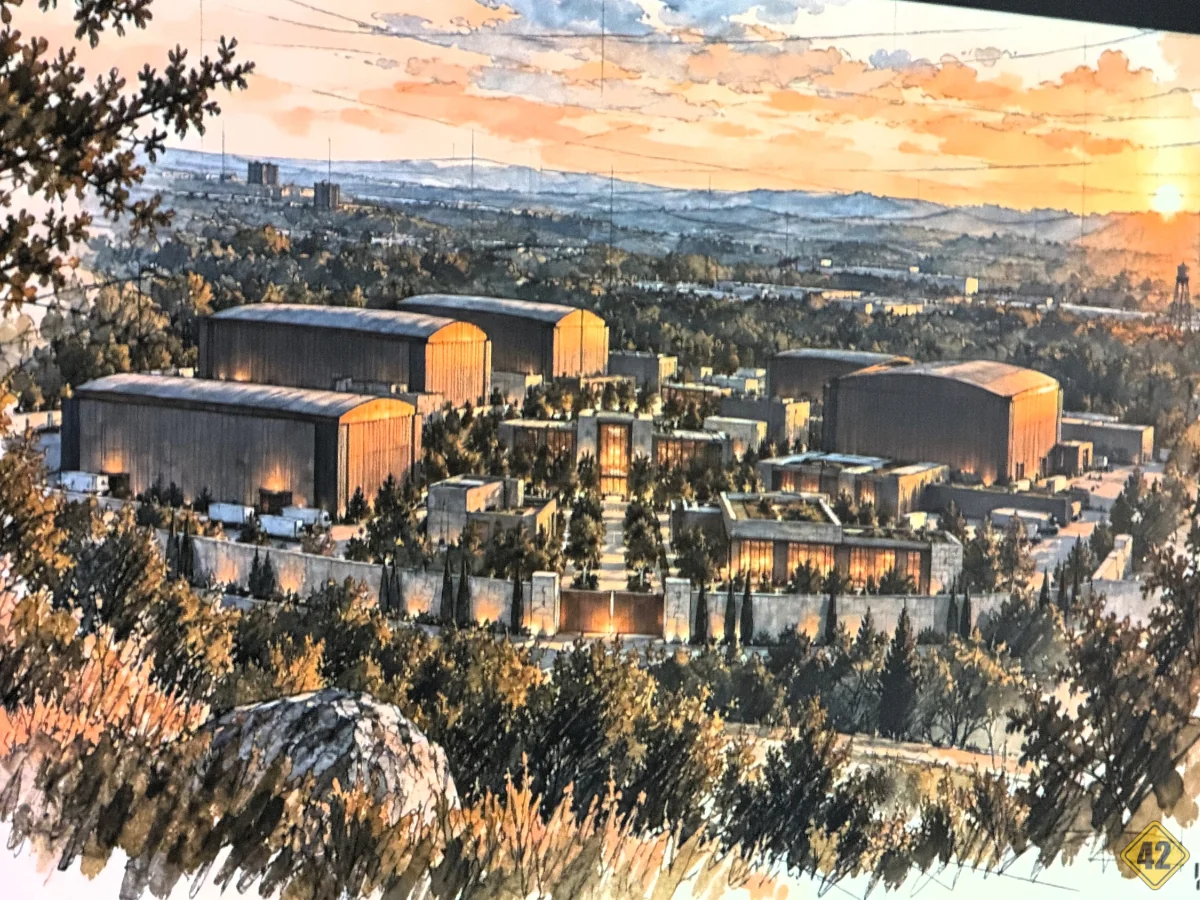
When Lane Street Studios opened its gleaming new stages in Upper Hutt in 2022, it was hailed as the next big step in New Zealand’s ascent as a global filmmaking powerhouse — a $50 million investment meant to solidify Wellington’s reputation as the “mini-Hollywood of the South Pacific.”
Just three years later, the state-of-the-art complex — which hosted the 2024 horror-fantasy Wolf Man starring Julia Garner — is up for sale.
The listing has sent ripples through New Zealand’s film community, as the country’s screen sector, once buoyed by Avatar, Lord of the Rings, and Mulan, now finds itself navigating what studio CEO Kristy Grant calls “a tough time of it.”
“This isn’t unique to New Zealand,” Grant said in a statement. “Film and television everywhere are feeling the impact of a global downturn.”
A Studio Built for a Boom That Never Came
Lane Street Studios was designed to be a cornerstone of New Zealand’s next production era — a four-hectare complex capable of housing more than 500 cast and crew, with high-stud soundstages, corporate-grade offices, and purpose-built facilities for international productions.
It quickly earned industry recognition, nabbing Best Emerging Business and Exporter of the Year at the 2024 Wellington Export Awards. For a moment, it seemed the studio would help anchor a steady stream of global productions to complement Wellington’s Wētā ecosystem.
But the global production slowdown — spurred by the pandemic, industry strikes, and shifting studio priorities — hit harder than expected. New Zealand, long favored for its rebates, locations, and skilled crews, is now fighting the same uphill battle facing many secondary production markets: how to stay competitive in an era of tightening studio budgets and runaway productions moving to cheaper territories.
A City Hopes for a Sequel
Upper Hutt Mayor Peri Zee says the news comes as no surprise, but remains hopeful the facility will continue to operate as a film studio.
“It’s an incredible facility — a real asset for the region,” Zee said. “There’s nothing Lane Street did wrong. The conditions right now are just brutally tough.”
Indeed, the ripple effects go far beyond the studio gates. Local businesses — from prop suppliers and caterers to cafes and hotels — depend on the flow of production activity. “When a facility like this is full, you can feel it across the entire city,” Zee added.
A Rare Opportunity — and a Reality Check
Commercial real estate firm Colliers has listed the site as a “rare opportunity” for another entertainment company to step in — or, less optimistically, to repurpose the property as “high-end warehousing or a data center.”
The four-hectare property includes 4,700 square meters (about 50,600 square feet) of warehouse space, corporate offices, and more than 200 parking spots.
For industry watchers, it’s a sobering reminder that even world-class infrastructure isn’t immune to shifting tides. As productions consolidate and global studios trim costs, once-bustling facilities from New Orleans to Toronto to Wellington are being forced to adapt — or exit.
The Bigger Picture
New Zealand’s government incentives have kept major productions coming for decades, but they now face stiffer competition from aggressive tax programs in places like Australia, the U.K., and Eastern Europe.
The irony, of course, is that the very success of New Zealand’s earlier film renaissance helped spark that global arms race. When Lord of the Rings turned Wellington into a cinematic destination, countries around the world took notice — and started offering their own incentives to replicate the model.
Now, the market is oversaturated with options. And for smaller nations or privately backed studios like Lane Street, sustaining year-round production is becoming nearly impossible.
Lights, Camera… Transition?
Whether Lane Street Studios finds a new owner or a new purpose, the sale encapsulates a larger story — one about a global production economy in flux, and a new reality where even top-tier facilities must evolve to survive.
As Grant put it: “This is a challenging time for everyone in the screen sector. But New Zealand’s creativity, talent, and spirit of innovation remain as strong as ever.”
Hollywood may be thousands of miles away, but the story unfolding in Upper Hutt feels familiar: world-class stages waiting for their next act.