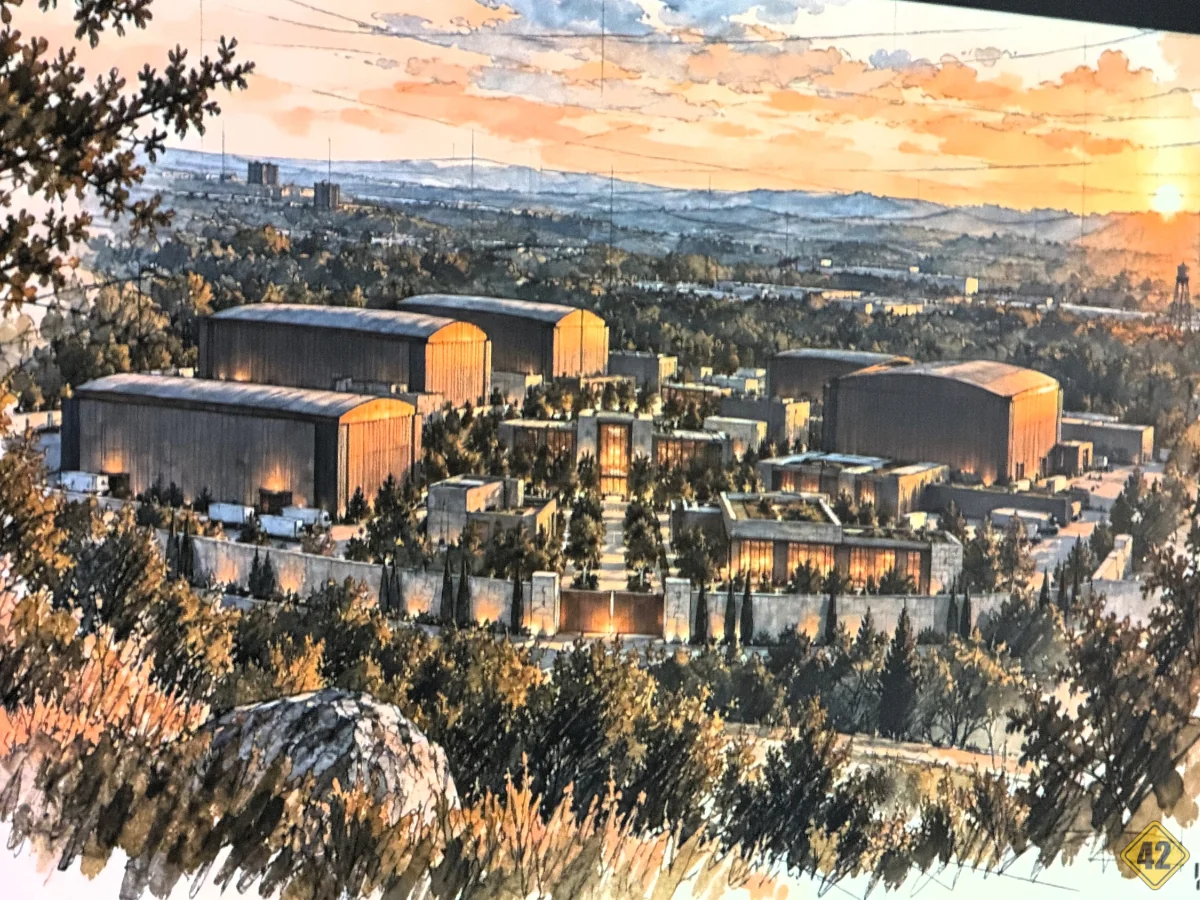
Nevada lawmakers have once again slammed the brakes on a proposed $120 million annual film-and-TV subsidy package — a deal that would have anchored a major Sony Pictures and Warner Bros.–backed studio complex in Las Vegas’ booming Summerlin district. The bill, AB 5, fell just one vote short during a late-night special session on Wednesday, marking the third failed attempt to push the measure across the finish line.
The vote — 10 in favor, 8 opposed, 3 absent — comes months after the Senate also rejected the plan during the regular session. This time, industry observers thought the political math had finally shifted when Gov. Joe Lombardo convened lawmakers for an emergency session. Instead, the Republican governor was left issuing a frustrated statement on X: “Nevadans deserved action now — not years from now – on the issues that most impact their daily lives.”
At stake was Summerlin Studios, an ambitious public–private partnership spearheaded by Howard Hughes Holdings, with Sony and Warner Bros. agreeing to bring productions to the facility. Initially competitors on separate Las Vegas studio projects, the two Hollywood giants joined forces earlier this year — a sign of how seriously they viewed Nevada’s potential as the next major U.S. production hub.
But even heavyweight studio support wasn’t the primary driver behind the bill’s resurrection. According to Howard Hughes CEO David O’Reilly, the final push came from Nevada’s construction unions, who saw the project as a generational jobs engine. “The real push… didn’t come from Howard Hughes, Sony or Warner Bros.,” O’Reilly said. “It came from organized labor.”
The proposal would have offered up to $95 million annually for projects filming at the Summerlin stages, plus another $25 million for productions shooting elsewhere in the state — a 15-year commitment spanning 2029 through 2044. The Assembly narrowly advanced it on Sunday in a 22–20 vote.
But in the Senate, opposition flared from both sides of the aisle.
Conservative group Americans for Prosperity Nevada blasted the plan as a “corporate giveaway,” estimating it would return “just 23 cents for every dollar invested.” Progressive organizations countered that the subsidies could cannibalize funding for healthcare, climate initiatives, and other statewide priorities.
Caught in the middle were labor leaders like Vince Saavedra of the Southern Nevada Building Trades, who called the bill a long-term economic engine but acknowledged lawmakers were squeezed by “bullies on both sides.”
Despite Nevada’s refusal to join the incentive arms race, the momentum nationally is moving in the opposite direction. California, New York, and Texas have all expanded their programs this year, with Texas now committing $300 million every two years — its most aggressive move yet to lure big-budget Hollywood productions.
For now, Nevada’s most ambitious studio plan is stalled. And with other states racing ahead, the question is whether Las Vegas missed its moment — or whether the battle over Summerlin Studios is just getting started.