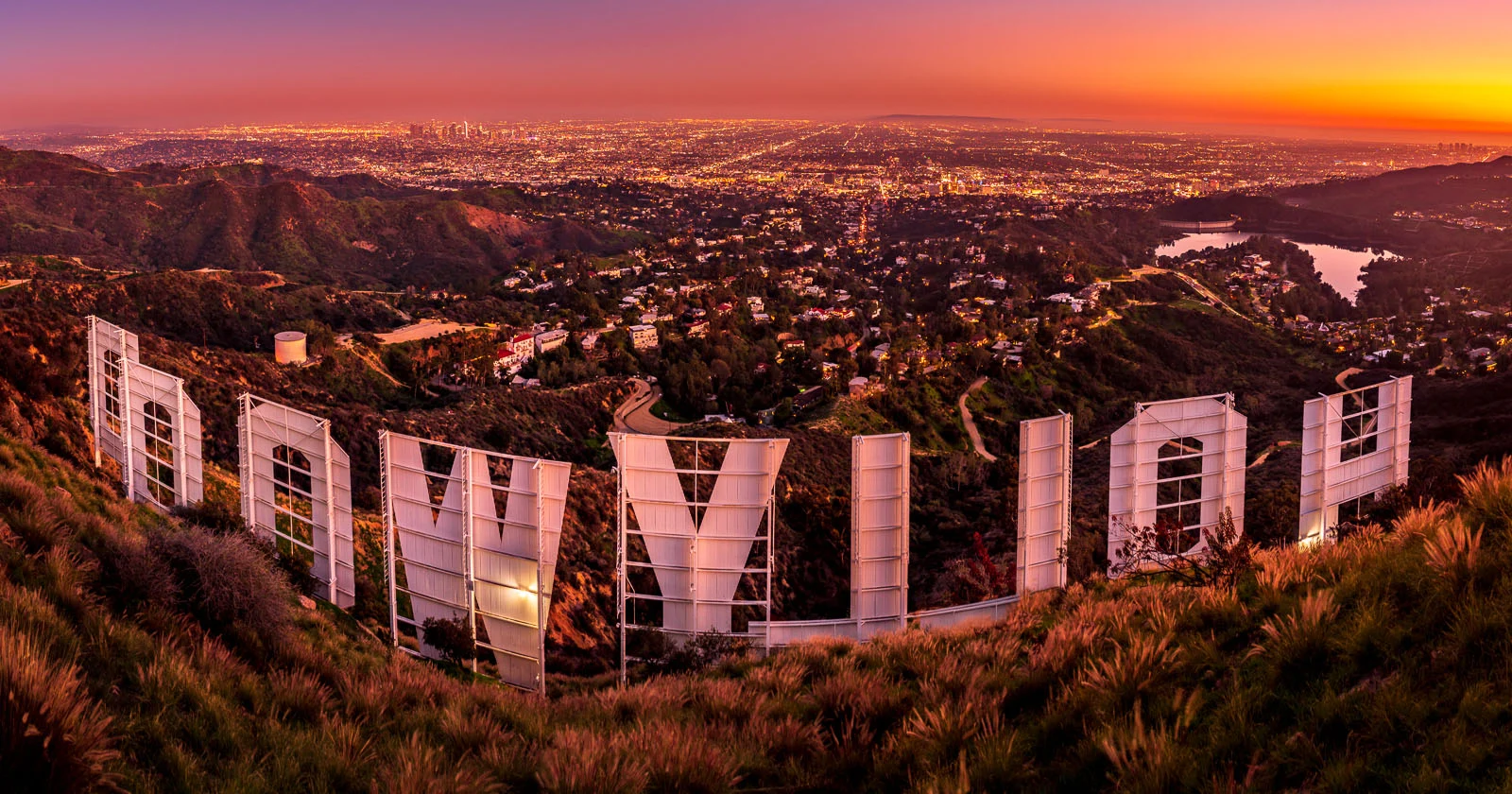
Los Angeles production ticked up modestly at the end of 2025, but the overall picture remains grim, with on-location shoot days down sharply year-over-year and far below pre-pandemic norms, according to new data from FilmLA.
The city and county logged 19,694 shoot days across film, television and commercials in 2025 — a 16.1 percent decline from 2024 and roughly half of what the region produced in 2019. While the fourth quarter delivered a slight sequential rebound, with shoot days rising 5.6 percent from Q3, the gains were not enough to offset a year defined by contraction, lingering strike aftershocks and a slower-than-expected recovery.
“While the year-end numbers are disappointing, they are not unexpected,” FilmLA VP of integrated communications Philip Sokoloski said, noting that the expanded California Film & Television Tax Credit Program is still in its early stages. Projects awarded credits have up to 180 days to begin filming, meaning much of the program’s impact has yet to appear in permit data.
California Gov. Gavin Newsom signed a major expansion of the incentive program in July, and the California Film Commission has since allocated roughly $771 million in tax credits to dozens of projects, including major studio features and high-profile TV series. But FilmLA’s data shows that the turnaround has not yet materialized at scale.
Production days in the fourth quarter were down more than 20 percent compared with the same period a year earlier, and overall volume declined 12.3 percent from Q3 to Q4 — extending a downward trend that has persisted since 2022. FilmLA notes that Los Angeles has not seen two consecutive quarters of growth since 2021.
Television was among the hardest-hit sectors. TV production days ended 2025 more than 50 percent below their five-year average and nearly 22 percent down year-over-year in Q4. Dramas saw particularly steep declines, with shoot days falling more than 36 percent compared with late 2024. Comedies proved more resilient — down just 6 percent year-over-year in Q4 — but still sat roughly two-thirds below historical averages.
Features fared slightly better but still declined nearly 20 percent year-over-year in the fourth quarter, while commercial production suffered the sharpest drop, falling more than 23 percent. Commercials remain ineligible for California’s tax incentive, a factor FilmLA says continues to weigh on that category.
One bright spot is the growing share of incentivized production within a shrinking overall pie. In Q4, roughly 13 percent of all shoot days in the greater Los Angeles area were tied to state-backed projects. Among TV comedies and dramas, about one-third of shoot days came from incentivized shows — a notable shift driven by the program’s expanded eligibility, including support for non-relocating series and shorter-form episodes.
“The full effect of the expanded incentive program will take time to materialize,” Sokoloski said, adding that dozens of approved projects have yet to roll cameras.
FilmLA CEO Denise Gutches emphasized that incentives alone won’t be enough to restore Los Angeles’ production base. Local officials are also working to streamline permitting, reduce fees and improve overall film-friendliness in an effort to compete with aggressive incentives in other states and countries.
“It’s time to bring production back home where it belongs, and put our talented, highly skilled entertainment workforce back to work,” Gutches said.
For now, Los Angeles remains in a holding pattern — buoyed by policy changes that could spark future growth, but still grappling with a production downturn that shows few signs of immediate reversal.