Across the Atlantic, a new production hotspot is taking shape — and it’s not in London or Manchester.
Welcome to Digbeth, a once-gritty industrial neighborhood in Birmingham, England’s second-largest city, that’s being rapidly transformed into one of the UK’s most ambitious new creative hubs. Backed by Peaky Blinders creator Steven Knight, the BBC, and roughly $32 million in government support, the district is now positioning itself as a global destination for film, television, and media production — and a serious rival to London’s studio ecosystem.
“Digbeth will be bigger, better, and bolder than Manchester’s MediaCity,” said West Midlands Mayor Richard Parker, invoking the sprawling Manchester complex that became the UK’s northern media capital. “This place is known for grit and graft — and it’s on the cusp of its renaissance.”
From Factory Floors to Film Sets
Located about 125 miles northwest of London, Birmingham has long been known as the industrial heart of Britain — the place that built the engines, machines, and materials that fueled the 20th century. Now, it’s rewriting that legacy for the 21st: turning warehouses into soundstages and canalside mills into production offices.
At the center of that transformation is Digbeth Loc. Studios, a new facility founded by Peaky Blinders creator Steven Knight, whose crime saga helped put Birmingham on the global map. The studio, built on a historic industrial site known as Warwick Bar, has already hosted Netflix’s feature-length Peaky Blinders film and will be home to two upcoming series in the franchise.
Knight’s goal? To bring large-scale, high-quality production back to the region — and to do it at a fraction of London’s cost.
“The West Midlands is old, new, urban, rural, posh, poor — high-rise to chimney stacks and back-to-backs — and most of it has never been shot,” Knight said. “And it costs less than most other places.”
A Bold Plan for the UK’s Next Creative Capital
During a tour of Knight’s studio, UK Culture Secretary Lisa Nandy joined Mayor Parker to announce two major initiatives designed to supercharge the region’s production capacity:
The Warwick Bar Prospectus, a sweeping urban regeneration plan covering the equivalent of 22 football fields, which includes 1,700 new homes and 110,000 square feet of creative workspace.
Production Central WM, a new “film office for the future” that connects producers, streamers, and location managers with local crews, suppliers, and regional incentives — a one-stop shop to make shooting in the West Midlands frictionless.
Both are designed to position Birmingham as a direct competitor to London’s crowded, high-cost film scene — and even to Manchester’s MediaCity, home to the BBC’s northern base and ITV Studios.
“As an MP in Greater Manchester, I’ve seen how MediaCity transformed our region,” Nandy said. “These plans will let Birmingham do the same — empowering local creatives to tell their own stories and attract world-class productions to the heart of England.”
BBC Bets Big on Birmingham
The BBC’s vote of confidence may be Digbeth’s biggest endorsement yet.
The broadcaster is converting the derelict Tea Factory, a relic of the city’s industrial past, into a new digital broadcasting center. Under its deal with the West Midlands Combined Authority, the BBC has pledged to nearly double its regional production spending — from $30.7 million to $51.2 million annually by 2027 — which is projected to generate $361 million in economic benefit for the region by 2031.
Series like MasterChef, Silent Witness, Late Night Lycett, and Garden Rescue are already filming in or around Digbeth, joining a fast-growing roster that reflects both creative ambition and economic momentum.
A Global Model for Local Growth
For international producers — especially those in the U.S. — Birmingham’s pitch is simple: all the creative infrastructure of London, without the congestion or cost.
Production Central WM, now staffed with film and TV experts, is designed to streamline everything from location scouting to permitting, catering, and crew sourcing. Within an hour’s drive from Birmingham’s New Street Station, filmmakers can access gothic cathedrals, Victorian backstreets, modern skylines, countryside villages, and industrial backdrops — all without crossing a border or switching production bases.
That versatility, coupled with lower overheads, could make Birmingham a powerful draw for U.S. studios, streamers, and independents looking for new European bases post-Brexit.
“We’ve built a super-fit-for-purpose studio that matches the region’s ambitions,” Knight said. “Whatever you want to shoot, we can find it. Try us.”
The Bigger Picture
The Digbeth revival isn’t happening in isolation. It’s part of a wider rebalancing of the UK’s creative economy — one increasingly focused on regional production outside of London.
From Pinewood’s expansion near Cardiff to Versa Studios’ growth in Leeds and London, the UK is betting on decentralization as a path to growth. And with Birmingham’s central location, its emerging studio infrastructure, and its international connectivity via rail and air, Digbeth could become the next must-film destination for global content creators.
“Digbeth’s creative quarter isn’t just about jobs or investment,” said Birmingham City Council leader John Cotton. “It’s about storytelling — and putting this city, and this region, back on the world stage.”
Hollywood’s Newest Cousin Across the Pond
For decades, Manchester’s MediaCity symbolized the UK’s push to build production infrastructure outside London. Now, Digbeth wants to go one better — blending heritage and high-tech in a city that’s as cinematic as it is accessible.
With Knight’s studios, BBC investment, government funding, and a flood of private development, the West Midlands is rewriting its narrative — from industrial powerhouse to creative capital.
And if the early momentum holds, the next global hit series might not be made in Hollywood, London, or even Manchester.
It might just come from Birmingham — the unlikely new star in the UK’s film and television story.
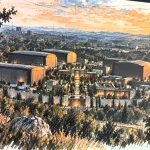
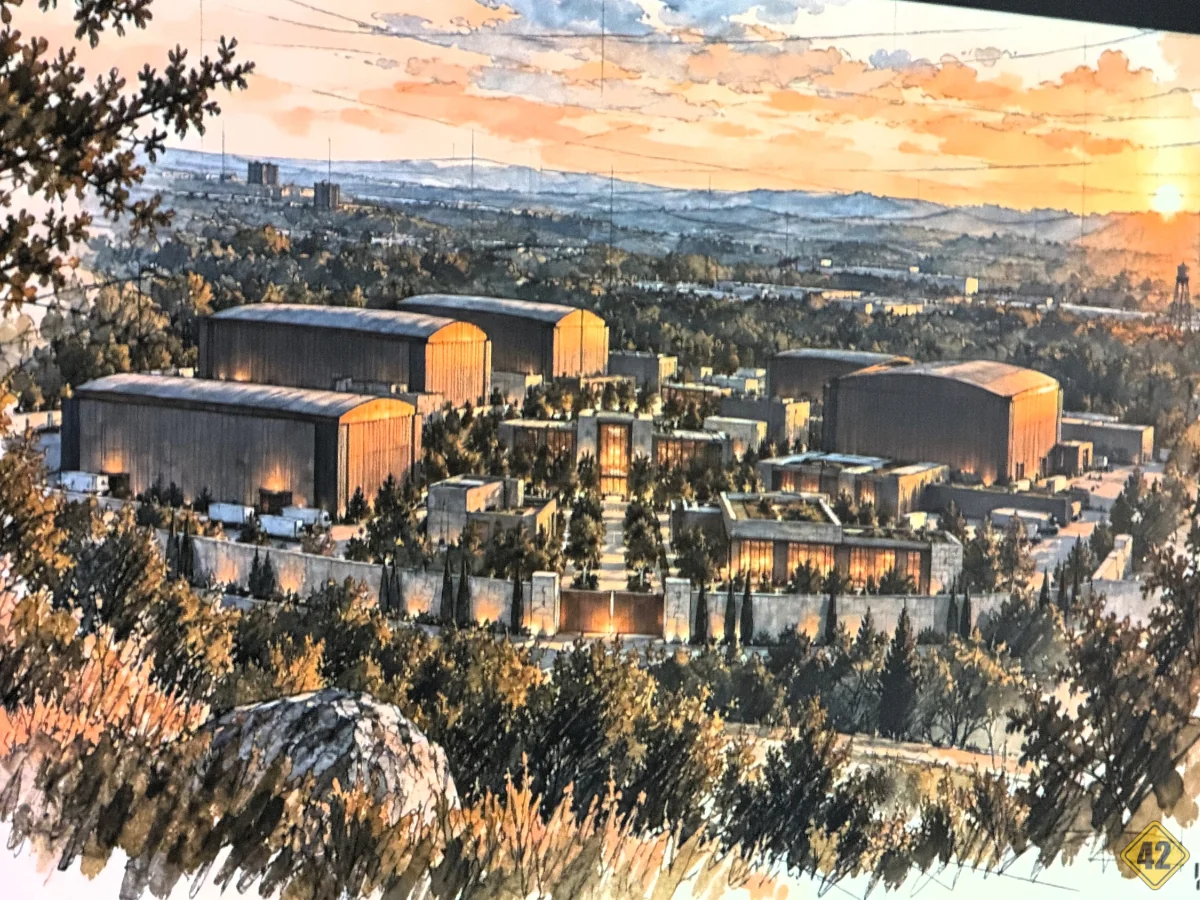
See below renderings of the historic Digbeth project: